Menopause, Nutrition
After menopause, bones and heart quietly need you
Falling oestrogen changes more than your cycle. The two long-term risks worth acting on early, and the unglamorous habits that help most.
Reviewed against NHS, 1 min read, published

Most conversations about menopause stop at hot flushes. The changes that matter for the next thirty years are quieter: bone density falls faster in the years around it, and heart risk rises.
What actually protects you?
Neither is a reason for alarm, and both respond to ordinary things. Weight-bearing movement — walking, stairs, anything that puts load through your legs — and some resistance work protect bone better than any supplement.
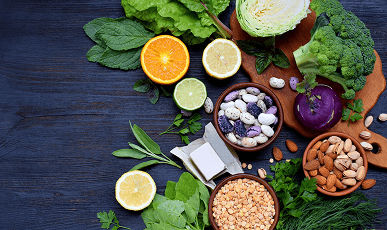
Eating a healthy, balanced diet is recommended for everyone. It can help prevent many serious health conditions, including heart disease, diabetes and many forms of cancer, as well as osteoporosis.
Calcium and vitamin D
Enough calcium and vitamin D matters, and for many people vitamin D means a supplement over the darker months rather than optimism about sunshine.
Quick summary
- Move: weight-bearing activity and some resistance work protect bone
- Eat: enough calcium and vitamin D, often with a vitamin D supplement over the darker months
- Check: ask your doctor which checks make sense, especially after an early menopause, with a family history of fractures, or on long-term steroids